Skintone: The Casual Handwritten Font That Works
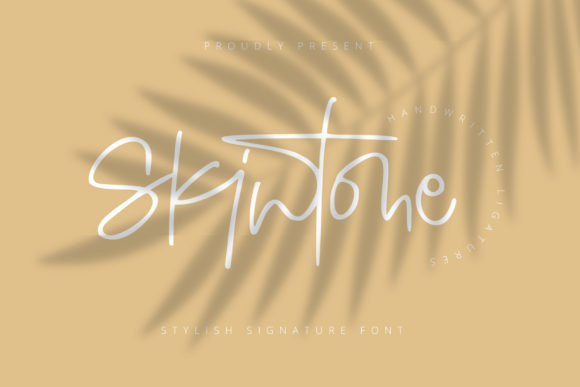
Skintone is a handwritten font that feels like a friend scribbled on the back of a napkin. It’s simple, relaxed, and a bit sloppy—traits that might sound messy, but in design, they can be incredibly powerful. This font doesn’t demand attention; it invites it. Whether you're creating a brand identity, designing a website, or crafting a social media post, Skintone offers a fresh take on typography that feels human, not manufactured.
What Makes Skintone Unique?
At first glance, Skintone appears unassuming. Its strokes are uneven, its letters slightly off-kilter, and its curves feel natural rather than calculated. But these characteristics are what make it so compelling. In an age where digital perfection often overshadows authenticity, Skintone stands out by embracing imperfection. It has a warmth that few fonts can replicate, making it ideal for projects that aim to feel personal, approachable, and real.
The font’s simplicity allows it to work across a wide range of applications. It doesn’t need to be the star of the show—it just needs to be there, grounding the message with a friendly, readable presence. This makes it especially useful for content that benefits from a casual tone, such as blog posts, email newsletters, and even packaging designs.
Creative Possibilities with Skintone
Skintone opens up a world of creative opportunities. Let's explore some of the most effective ways to use this font:
- Brand Identity: Use Skintone for logos or taglines that want to feel laid-back and authentic. It works well for brands that prioritize community, creativity, or sustainability.
- Website Design: Incorporate Skintone into headings, call-to-action buttons, or navigation menus to add a touch of personality without overwhelming the user experience.
- Social Media: Apply Skintone to captions, headlines, or promotional text to create a more engaging and relatable visual style.
- Print Materials: From business cards to brochures, Skintone adds a human touch that can help your printed materials stand out in a sea of formal typefaces.
- Personal Projects: Bloggers, artists, and educators can use Skintone to give their work a more personal and inviting look.
Design Tips for Using Skintone
While Skintone is versatile, it's important to use it thoughtfully. Here are a few tips to ensure your designs remain clear and effective:
- Balance with Clean Fonts: Pair Skintone with a sans-serif font for body text to maintain readability while keeping the overall design cohesive.
- Use Sparingly: Since Skintone is a handwritten font, using it too much can make your design feel cluttered or unprofessional. Reserve it for headings, accents, or short phrases.
- Consider Color: Skintone looks best in darker colors like black or navy blue. Lighter shades may reduce legibility, especially at smaller sizes.
- Test Across Devices: Ensure that Skintone displays well on both desktop and mobile screens. Sometimes, the slight irregularities in the font can appear more pronounced on smaller screens.
Who Can Benefit from Skintone?
Skintone is suitable for a wide variety of professionals and hobbyists. Here’s how different users can adapt it to their specific needs:
Designers: Skintone can be a great tool for adding character to client projects without sacrificing professionalism. It works well for editorial design, branding, and web design.
Marketers: When marketing to younger audiences or those who value authenticity, Skintone can help build a stronger emotional connection with potential customers.
Bloggers and Content Creators: If you’re looking to give your blog or social media feed a more personal feel, Skintone can be used in titles, headers, or featured images.
Entrepreneurs and Small Business Owners: A unique font like Skintone can help your brand stand out in a crowded marketplace. It conveys approachability and individuality, which are key traits for many small businesses.
Educators and Publishers: Skintone can be used in educational materials, book covers, or classroom resources to make learning feel more engaging and less formal.
Real-World Examples
Imagine a coffee shop that wants to convey a cozy, community-driven vibe. Using Skintone in their logo and menu design would instantly communicate that feeling. Similarly, a fitness instructor offering online classes could use Skintone in their course titles and promotional materials to create a sense of familiarity and trust.
Another example is a local bookstore that uses Skintone in its signage and promotional flyers. The font helps create a warm, welcoming atmosphere that draws in customers and makes them feel at home.
Final Thoughts on Skintone
Skintone is more than just a font—it’s a design choice that reflects a philosophy. It embraces imperfection, celebrates humanity, and brings a touch of personality to every project it touches. Whether you're a professional designer or someone experimenting with typography for the first time, Skintone offers a unique opportunity to create something that feels real, relatable, and refreshing.
By using Skintone wisely, you can elevate your designs and connect with your audience in a way that feels genuine. So go ahead—try it out, experiment, and see how this simple, relaxed font can transform your creative work. You might just find that the outcome is better than you ever imagined.