Sometimes Rough: The Beauty in Imperfection with Brush Pen and Pencil
There’s something undeniably charming about the imperfections in a handwritten piece. It feels real, alive, and deeply personal. Sometimes Rough is one such example — a stunning pairing of a brush pen and pencil that brings out an endearing authenticity in any creative work. Whether you're jotting down ideas, designing a logo, or creating a unique layout for your blog, this combination offers a fresh, tactile experience that digital tools simply can’t replicate.
What Is Sometimes Rough?
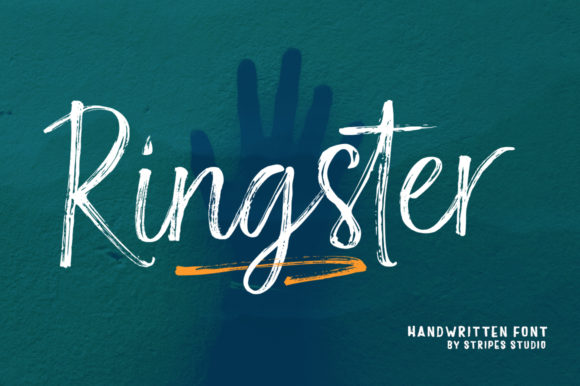
Sometimes Rough refers to the intentional blending of a brush pen and pencil to create a look that is both structured and organic. The result is a style that appears slightly uneven, yet incredibly expressive. This technique isn't about being perfect; it's about embracing the natural flow of writing and drawing, which makes the final output feel more human and relatable.
The brush pen adds soft, fluid strokes while the pencil provides crisp lines and precise details. Together, they form a visual language that speaks to creativity, effort, and individuality. It’s not just a toolset — it’s a way of thinking about design and expression.
Where and When to Use Sometimes Rough
Sometimes Rough finds its place in a variety of settings where a touch of authenticity is desired. Here are some common scenarios:
- Personal Projects: From journaling to sketching, this method allows for a more personal touch in your creative output.
- Business Branding: Startups and small businesses often use hand-drawn elements to stand out. A logo created with Sometimes Rough can feel more approachable and genuine.
- Educational Materials: Teachers and educators can use this style to make worksheets, notes, or presentations more engaging for students.
- Digital Content Creation: Bloggers and content creators looking to add a unique aesthetic to their posts might scan or photograph their handwritten work and integrate it into their designs.
The key is knowing when to apply this technique. It works best when you want to convey warmth, personality, or a sense of craftsmanship. It doesn’t belong in situations requiring strict precision, like technical drawings or formal documents.
Realistic Use Cases Across Different Fields
Let’s explore how different professionals and hobbyists might benefit from using Sometimes Rough in their daily work.
Entrepreneurs and Small Business Owners
When launching a new product or service, entrepreneurs often need branding that stands out. A hand-drawn logo or tagline using a brush pen and pencil can give a brand a unique identity. Imagine a café owner using this technique to design a menu — it immediately feels inviting and artisanal.
Marketers and Bloggers
Marketing materials that feel too polished can sometimes come off as cold or impersonal. By incorporating Sometimes Rough into social media graphics or email headers, marketers can create a more human connection with their audience. Bloggers, on the other hand, can use this style for featured images or call-out quotes to add visual interest.
Freelancers and Designers
Freelancers working on client projects may find that a handcrafted touch helps build trust. A portfolio with handwritten annotations or sketches can show a deeper level of thought and care. Designers who specialize in print or packaging might also use this technique to add texture and character to their work.
Students and Educators
Students preparing study guides or flashcards can use Sometimes Rough to make their notes more memorable. For educators, incorporating this style into lesson plans or classroom posters can make learning more interactive and enjoyable.
What to Consider Before Using Sometimes Rough
Before diving into this technique, there are a few things to keep in mind. First, the quality of your tools matters. A good brush pen and a sharp pencil will make all the difference in achieving that authentic look. Second, practice is essential. Like any skill, mastering Sometimes Rough takes time and patience.
You should also consider the medium you're working on. If you plan to digitize your work, ensure that your handwriting scans well. Avoid overly smudged areas or ink bleeding through paper. Lastly, think about the message you want to convey. Sometimes Rough is best used when the goal is to communicate warmth, creativity, or a personal touch rather than strict accuracy.
Why Choose Sometimes Rough Over Other Methods?
In a world dominated by digital perfection, Sometimes Rough offers a refreshing alternative. It’s not about making mistakes — it’s about celebrating the beauty of imperfection. This technique allows users to express themselves in a way that feels true to who they are. Whether you're a busy professional or a creative hobbyist, Sometimes Rough can help you bring more soul into your work.
So next time you pick up a brush pen and pencil, don’t be afraid to let your hand guide the line. Embrace the roughness. Let it speak for itself. After all, that’s what makes it so beautifully human.